Journals
-
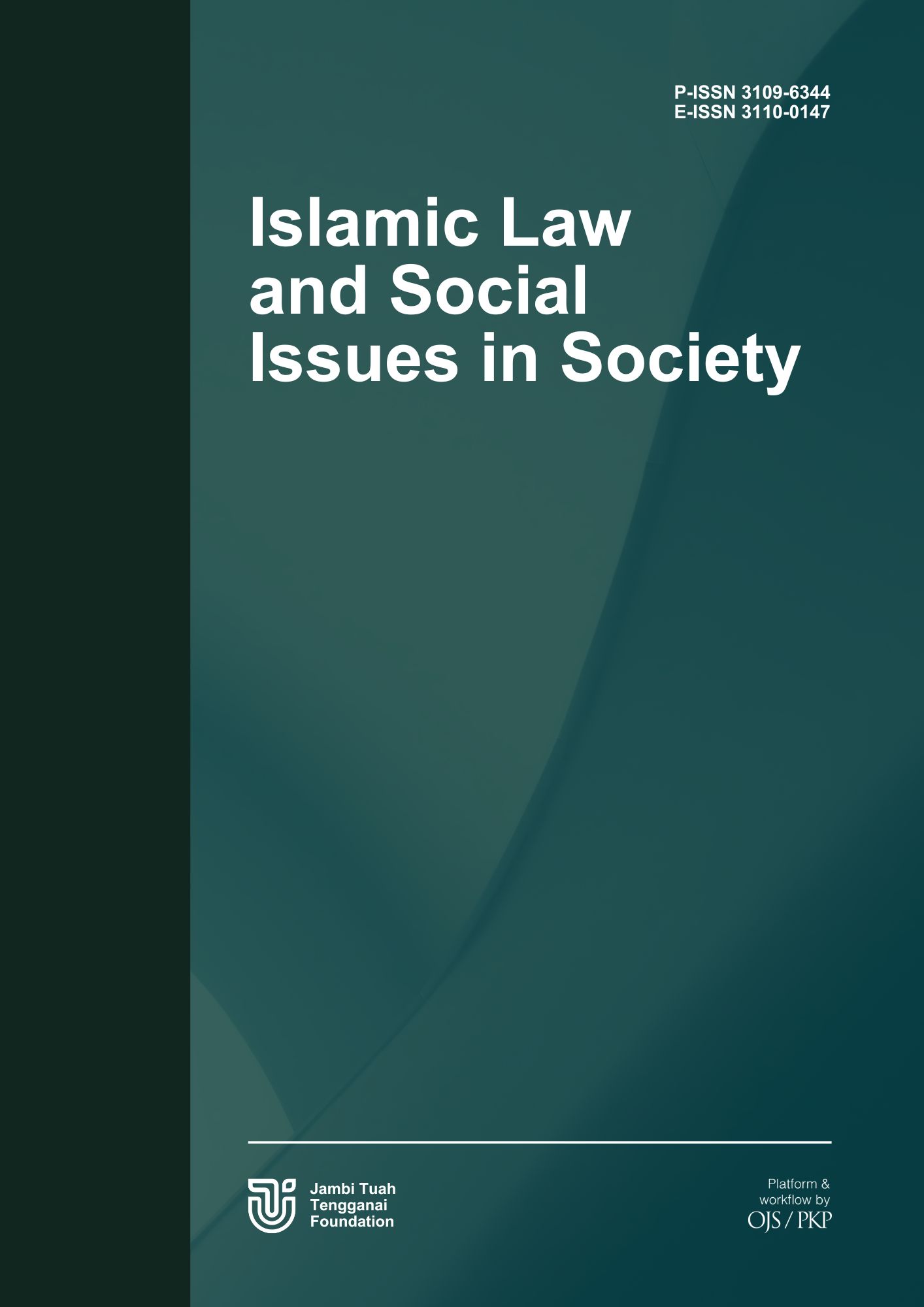
Islamic Law and Social Issues in Society

Journal title : Islamic Law and Social Issues in Society ISSN : 3110-0147 (Electronic) | 3109-6344 (Print) DOI Prefix : 10.64929 by Crossref Editor-in-Chief : Edi Kurniawan Type of Review : Double-Blind Peer-Review Publisher : Yayasan Jambi Tuah Tengganai (Tuah Foundation) in collaboration with LPPM - IAIMA Jambi Frequency : 2 issues per year (May and November) Citation Analysis : Google Scholar | Garuda | Dimensions Islamic Law and Social Issues in Society (ILSIIS) is an academic and peer-reviewed journal that focuses on in-depth studies of the interaction between Islamic law and contemporary social issues across Muslim and plural societies. It aims to advance innovative, comparative, and interdisciplinary research that connects Islamic jurisprudence with real-world social change, positioning Sharia as a living and transformative system for addressing contemporary challenges in justice, economics, governance, sustainability, and human development.
-
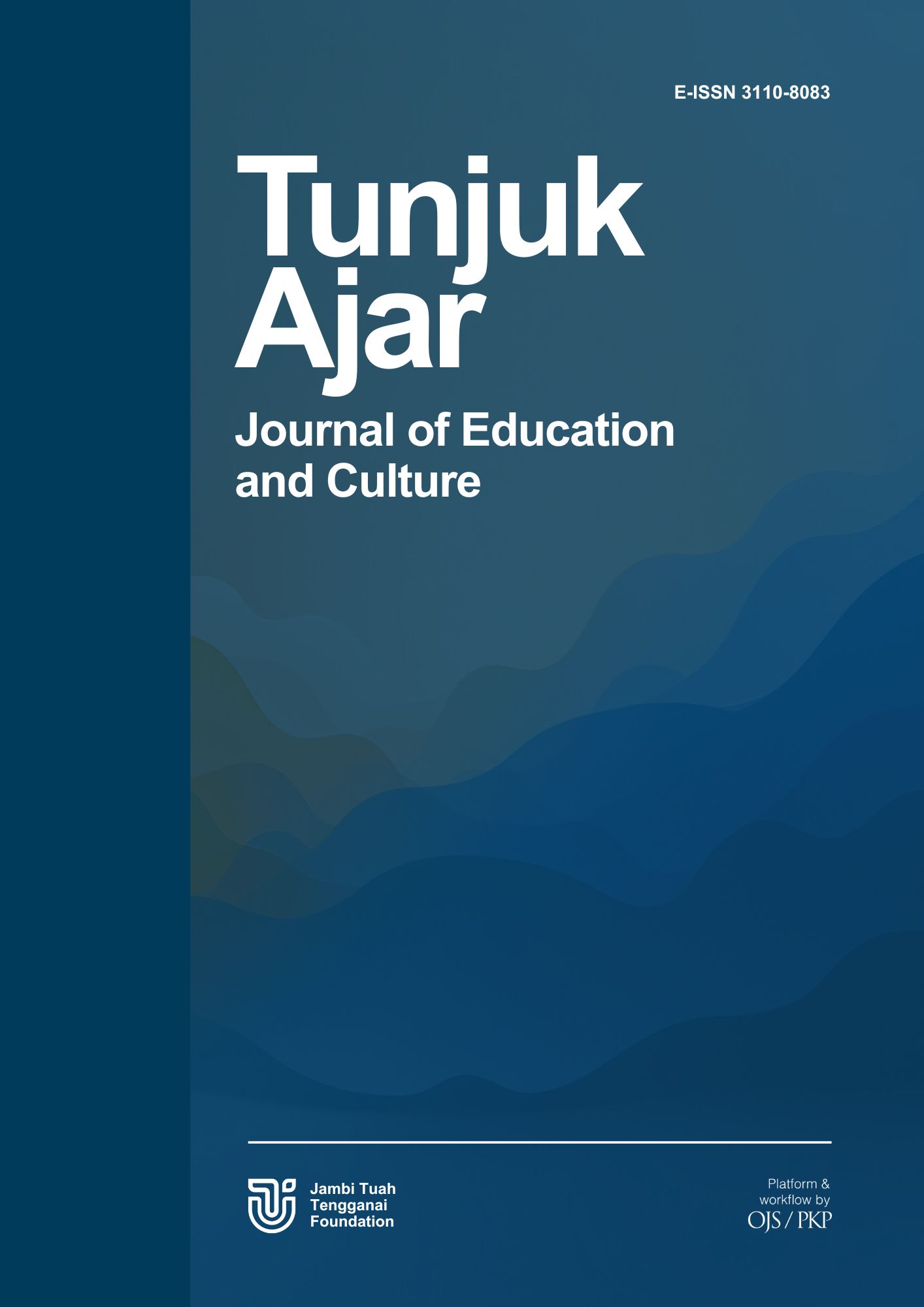
Tunjuk Ajar: Journal of Education and Culture

Tunjuk Ajar: Journal of Education and Culture is a peer-reviewed academic journal published biannually (June and December) by the Jambi Tuah Tengganai Foundation. The journal is devoted to examining the dynamic interplay between education and culture within diverse and evolving societal contexts. It serves as a scholarly platform for the dissemination of high-quality research, theoretical analyses, and innovative practices in the fields of education and cultural studies. Our Commitment: double-blind peer review, immediate open access, authors retain copyright, and published two times a year.
-

Educational Technology in Developing Countries
Journal title : Educational Technology in Developing Countries (ETDC) Editor-in-Chief : Dedi Kuswandi Managing Editor : Miftah Hur Rahman Zh, Afiful Ikhwan ISSN : 3163-3927 (p-ISSN) / 3163-401X (e-ISSN) Prefix : 10.64929 by CrossRef Publisher : CV. Jambi Tuah Tengganai Indexing : Google Scholar EuroPub Garuda Frequency : 2 issues per year (June and December) Open Access : Yes, this journal implements an open access policy Educational Technology in Developing Countries (ETDC) is a peer-reviewed academic journal that advances interdisciplinary and contextually grounded research on how educational technologies are designed, adopted, governed, and contested across education systems in developing countries, including Muslim-majority and culturally plural societies. The journal publishes innovative and comparative studies connecting digital learning, pedagogical innovation, teacher capacity building, governance, and technology policy with real-world educational transformation. ETDC positions educational technology as a transformative yet contested force for expanding access, improving learning quality, reducing inequalities, and supporting sustainable educational development across schools, madrasas, pesantren, universities, and vocational institutions in the Global South.
-
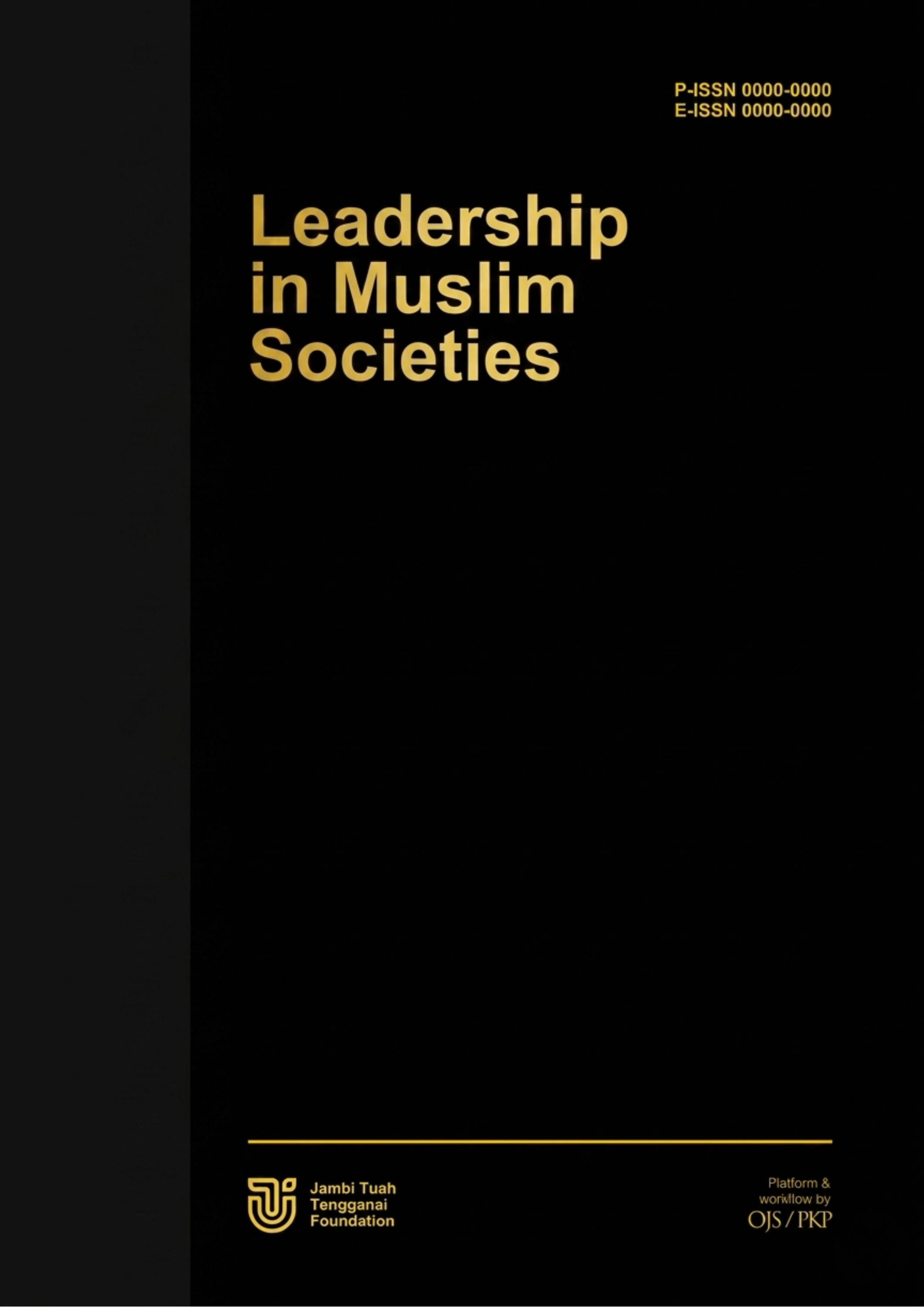
Leadership in Muslim Societies
Journal title : Leadership in Muslim Societies (LMS) Editor-in-Chief : Winda Dewi Listyasari (Universitas Negeri Jakarta, Indonesia) Managing Editor : Mona Novita (Universitas Nurul Jadid, Probolinggo, Indonesia) ISSN : 3163-6853 (p-ISSN) | 3163-6845 (e-ISSN) Prefix : 10.64929 by Crossref Publisher : CV. Jambi Tuah Tengganai in collaboration with LPPM Universitas Islam Yasni (UNISYA) Kabupaten Bungo, Jambi Indexing : Google Scholar Garuda Frequency : 2 issues per year (May and November) Open Access : Yes, this journal implements an open-access policy Leadership in Muslim Societies (LMS) is an academic, peer-reviewed journal that focuses on in-depth studies of the intersection between Islamic principles and contemporary leadership practices within Muslim communities and plural societies worldwide. It aims to advance innovative, comparative, and interdisciplinary research that connects classical Islamic leadership concepts with modern organizational and societal challenges, positioning Islamic values as a living and transformative framework for ethical, spiritual, and effective leadership across diverse sectors, including business, education, governance, and civil society.
-
Ethiconomics: Journal of Islamic Banking and Finance
Journal title : Ethiconomics: Journal of Islamic Banking and Finance Editor-in-Chief : Desmadi Saharuddin Managing Editor : Ridho Fikri Almi ISSN : 3110-8083 Prefix : 10.64929 by CrossRef Publisher : Jambi Tuah Tengganai Publisher in collaboration with LPPM Laa Roiba Institute Indexing : Google Scholar, EuroPub, WorldCat, Frequency : 2 issues per year (June and December) Open Access : Yes, this journal implements an open access policy Ethiconomics: Journal of Islamic Banking and Finance is an academic and peer-reviewed journal that focuses on in-depth studies of the interaction between Islamic financial principles and contemporary social, ethical, and developmental issues across developing countries, including Muslim-majority and plural societies. It aims to advance innovative, comparative, and interdisciplinary research that connects Sharia-compliant banking instruments, financial inclusion strategies, and monetary policy with real-world economic transformation.
Go to the new OJS: https://ejournaltuah.id/index.php/ethiconomics -
PFL: Plural Family Law Review
Journal title : PFL: Plural Family Law Review Editor-in-Chief : Taufiq Ramadhan Managing Editor : ISSN : 3110-8083 Prefix : 10.64929 by CrossRef Publisher : Jambi Tuah Tengganai Publisher Indexing : Google Scholar, EuroPub, WorldCat Frequency : 2 issues per year (June and December) Open Access : Yes, this journal implements an open access policy PFL: Plural Family Law Review is a peer-reviewed, open-access international journal dedicated to the study of family law in plural legal orders worldwide. PFL examines how religious law, customary law, indigenous law, tribal law, state codification, and inherited civil/common law systems interact in matters of marriage, divorce, parenthood, custody, inheritance, domestic violence, and family welfare-across all jurisdictions where legal plurality shapes family life.
PFL is the first scholarly journal to adopt legal pluralism as its principal analytical lens for family law inquiry, providing a dedicated forum where the encounter between religious, customary, indigenous, and state legal orders in family matters can be examined as a coherent scholarly field.
Go to the new OJS: https://www.ejournaltuah.id/index.php/pfl/index -
Customary Law Review
Journal title : Customary Law Review (CLR) Editor-in-Chief : Teguh Luhuringbudi Managing Editor : Edi Kurniawan ISSN : 0000-0000 (p-ISSN) / 0000-0000 (e-ISSN) Prefix : 10.64929 by Crossref Publisher : CV.Tuah Foundation in collaboration with LPPM - IAIMA Jambi Indexing : Google Scholar Garuda Crossref Dimensions Frequency : 2 issues per year (June and December) Open Access : Yes, this journal implements an open access policy Customary Law Review is a peer-reviewed scholarly publication dedicated to the study of customary legal systems, indigenous law, living law traditions, and socio-religious normative practices across diverse societies, promoting critical inquiry into the continuity, transformation, and interaction of customary norms within contemporary legal and social frameworks. The publication particularly encourages interdisciplinary and comparative scholarship examining the relationship between customary law, religious legal traditions, and community-based governance in local, national, and transnational contexts. It welcomes original research articles, conceptual papers, and theoretical studies related to: customary law theory, living law, legal anthropology, and legal sociology; indigenous legal systems, territorial rights, and community-based normative orders; legal pluralism and the interaction between state law, religious law, and customary norms; regional customary traditions, including Adat, African customary law, Pacific legal traditions, and other indigenous legal systems; and dialectics between customary law and Islamic legal traditions, including Sharīʿah-based social practices, living fiqh, and turāth-based legal reasoning. Customary Law Review prioritizes innovative and critically engaged scholarship that contributes to contemporary discussions on legal tradition, indigenous governance, socio-religious law, and restorative social order across diverse global societies.
-
Governmentality, Pluralism and Public Policy
Journal Information
ISSN : - DOI Prefix : - Editor-in-Chief : Khairun Najib Managing Editor : - Publisher : Tuah Foundation City : Jambi Frequency : 2 issues per year (June & December) About the Journal
Governmentality, Pluralism and Public Policy is an international academic journal that publishes critical, interdisciplinary, and evidence-based studies on the operation of technologies of power, the dynamics of pluralism, and public policy processes within increasingly complex contemporary societies, rooted in the intellectual tradition of Michel Foucault’s governmentality theory which conceptualizes power not merely as a coercive instrument of the state but as a network of practices, rationalities, and techniques of governance that systematically shape subjects, institutions, and policies; this perspective is enriched by contemporary policy studies that position public policy as an arena of social contestation, power negotiation, and authority reproduction rather than merely a technical product of bureaucracy, and the journal integrates governmentality analysis with critical public policy studies, recognizing that policy is shaped by power relations, dominant discourses, and contestation among state, religious, customary, and community actors within plural societies, with its scope including governmentality and policy rationalities, pluralism and authority contestation, religious policy, indigenous governance, institutional reform, and global policy challenges such as digital governance, climate change, migration, and global health.
-
Tuah Eduacational Research and Evaluation
Indonesian Journal of Eduacational Research and Evaluation merupakan jurnal nasional yang memuat mengenai hasil penelitian dibidang pendidikan yang dilakukan oleh setiap civitas akademika pada Institusi – Institusi Pendidikan Tinggi ataupun pihak-pihak yang berkentingan sebagai salah satu kewajiban Tri Dharma Perguruan Tinggi. Jurnal ini berdiri pada tanggal 15 Oktober 2024 atas dasar inisiasi dari pengurus Tuah Foundation Jambi, dengan adanya jurnal ini maka penelitian yang dilakukan oleh setiap civitas akademika di Institusi–Institusi Pendidikan Tinggi di Indonesia yang berkepentingan dapat dipublikasikan secara ilmiah.
E-ISSN xxxx-xxxx